
Benefits for using
Wiki’s with Adult Learners:
King and Cox (2011)
discussed a benefit to learners (but I think is very beneficial to the
instructors that are incorporating Wiki’s into curriculum) is the limited
technology skills that are required. What? I like that one! I think
just introducing Wiki’s to the class and being able to say “limited technology
skills needed” can allow the learners not to have that immediate panic attack
and may provide lower anxiety using it. Anybody agree?
Another benefit for
incorporating Wiki’s into a course for adult learners are the variety of assignments
that can be created. Wiki’s can be used for individual assignments or
collaboration (group) projects along with being integrated into an online
course or a traditional face-to-face course. I guess what I am trying to
say are that Wiki’s are very flexible. They are also cheap.
Benefits for Educators:

Benefits for Educators:
Challenges for
using Wiki’s with Adult Learners:
Hazari, North and
Moreland (2009) discussed that grading a Wiki assignment can bring a challenge
to educators. I see two reasons why. One (which creates another
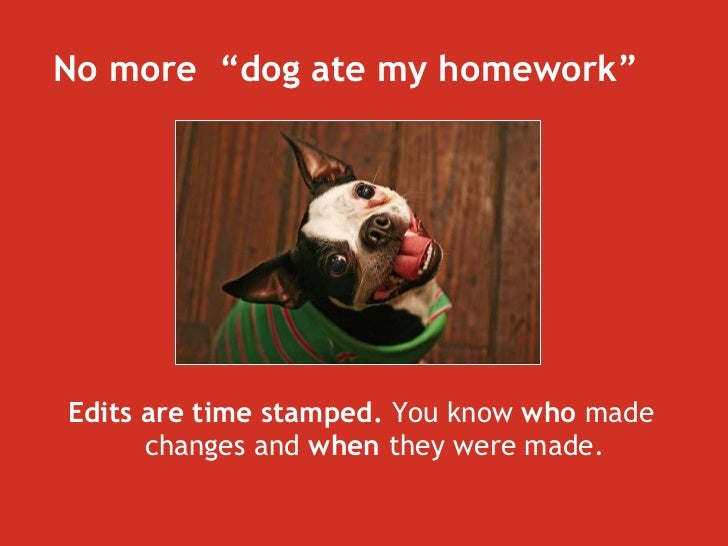
challenge itself) is that Wiki’s are open for editing by multiple users.
There are different settings that need to be enabled to password protected the
page or there is a way to view the browser history (whatever that means).
As an instructor grading the Wiki page, how do I know if the information that
is posted is the actually learners and/or group of learners? Second
challenge of Wiki assignments, I believe, is grading as collaboration.
Sometimes, learners have a difficulties working in groups, ideas of individuals
are not heard and since a Wiki page can be modified without consent,
information could be altered without consent of the group.
Another challenge
that I mentioned above concerning Wiki’s is that they are open for editing by
multiple users, which can lead to misinformation being represented on the page
itself but also to whomever eyes appears on the page (meaning anyone on the
internet). This could pose a
challenge.
In conclusion, I will leave you reading an article I came across reading about different activities that uses Wikis in the Classroom(double click the link in purple). As an educator, I find that using technology in my courses is sometimes a challenge because of the population of learners I have that resist it. If I can find and/or create fun out-of-the-box activities to incorporate with the new technology I find that eases the resistance. The article link above provides some ideas for using a Wiki as an instructor along with activities to use in your courses. I love the idea of using a Wiki page like a storage box/flash drive to post articles, links and other helpful information that we all use as educators.
Hope you enjoy!
Melinda Bennett
Hazari, S., North,
A., & Moreland, D. (2009). Investigating pedagogical value of wiki
technology. Journal of Information Systems Education, 20(2), 187-198.
King, K.P., &
Cox, T.D.(2011). The Professor's Guide to Taming Technology; Leveraging Digital
Media, Web 2.0, and More For Learning. Charlotte, NC: Information Age
Publishing.

Hi Melinda,
ReplyDeleteWith wikis having versioning, being collaborative and sometimes hosted by the instructor of a course or other entity, if someone places plaigarized information on the wiki, who is responsible? I tried to find some articles about this but was not successful.
As far as evaluating group members contributions to wikis, I would think the versioning would help with that to some degree but also a group evaluation that is separate from the wiki where group members evaluate themselves and their group-mates. I think this would give you a good idea of how much work each person actually did. It would also be a place where learners could describe how they contributed. However, as in a lot of group work there are usually several ideas generated but the group has to settle on one for the project. Just because someone's idea was not used does not mean they could not contribute.
That is a great question. I am not sure. My guess would be that the person that places plagiarized information on the wiki since you can view who made the post.
DeleteI agree that when working in a group ideas are settled on. Obviously, that would not be a collaboration if ideas were not agreed for the project. What I was trying to say was that even though ideas are settled someone in the group still may have a differing idea but for group reasons "settled". They still contribute for the overall project and grade but still having a different idea and the project doesn't reflect how they feel. (not sure if that makes sense or not).
Thanks for the reply,
Melinda
Melinda,
ReplyDeleteI agree that the ease of use wikis definitely provides a plus for learners and educators. As you mentioned, this will also lower the learners’ emotional barrier to accept technology usage in the classroom. Davis (1989) claims that “perceived ease of use” and “perceived usefulness” (p.320) are the two core concepts to the Technology Acceptance Model (TAM). Although perceived usefulness, which is users’ intention to use the technology, is a greater determinant to not only accept, but also to have a positive attitude towards technology integration (Davis, 1989).
I have not applied wikis before in my classroom; however, I plan to use a wiki for a professional learning community in order to build a knowledge archive. It will serve as a useful collaboration tool thanks to the ease of use.
References
Davis, F. D. (1989). Perceived usefulness, perceived ease of use, and user acceptance of information technology. MIS quarterly, 319-340.
I love the idea of using a wiki for a professional learning community. I have been reading all about the "perceived ease of use" and "perceived usefulness" the two aspects of TAM all weekend. Fun! Fun! Fun! The good thing about building a professional community is that it will be there from here on out and not just for a semester. Love, Love the idea.
DeleteI loved the article! Good use of a wiki!
ReplyDeleteHi Melinda,
ReplyDeleteThanks for this post. I totally agree with you that one of the pros of using wikis is that ability for authors to see the complete version history of edits that anyone makes on the page. This allows for complete transparency in the posting process so that some of the fears of anyone making false or inaccurate additions can be somewhat alleviated.
I do also agree with your point that wikis can be a way for people who may or may not have much technological experience to be able to contribute to topics or points of discussion online. The learning curve isn't quite as steep in this case and since the page as a whole is edited by multiple users, they are able to get direction from the other contributors.
The point you make about limited technology skills in regards to Wikis is a good one. It did get me to wondering though if we will reach a period in time when the expectation in regards to technological skill will be higher and therefore the bar will be raised in regards to the requirements for both students and teachers. 20 years from now Wikis may very well be below what the minimum expectation is and if you cannot interact with one positively you could get left behind in your class and/or job.
ReplyDeleteIn regards to grading I wonder if for a Wiki it cannot be as strict as for a paper simply because of the nature of the platform. This grading may be something that develops in breadth and depth as they are used more and more in classes of various disciplines.